

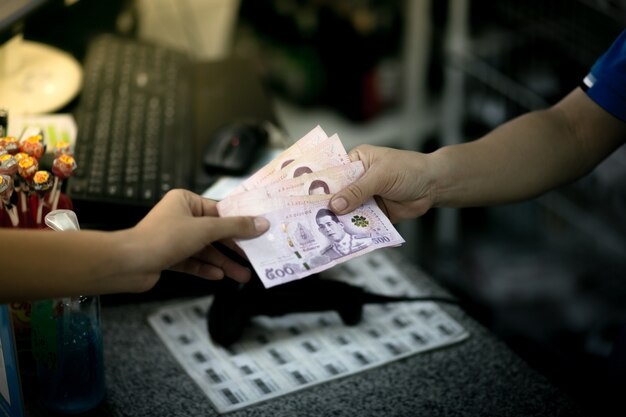
Global trade between Africa and Asia has grown rapidly in recent years, creating new financial connections between regions that once had limited direct exchange channels. Ghana, in particular, has developed strong economic ties with China, especially in sectors such as manufacturing, construction, mining, and import-export trade. As a result, many individuals and businesses now need efficient ways to convert their local currency into Chinese yuan.
For Ghanaian traders, entrepreneurs, and travelers, understanding how to buy RMB and convert cedis to yuan efficiently has become increasingly important. Whether the purpose is paying suppliers, funding business operations, or preparing for travel, the process requires knowledge of exchange systems, currency regulations, and safe transaction practices.

Understanding the Role of RMB in International Trade
The Growing Importance of the Chinese Yuan
The Chinese yuan, also known as RMB (Renminbi), has become one of the most influential currencies in global commerce. China’s position as one of the world’s largest manufacturing hubs means that many international transactions are settled in yuan. Businesses importing goods from Chinese suppliers often find it easier and more cost-effective to operate directly in RMB.
For Ghanaian importers, paying suppliers in yuan can reduce unnecessary currency conversions and simplify cross-border transactions. Instead of converting Ghanaian cedis into dollars and then into yuan, many traders prefer direct conversion to RMB to avoid additional fees.
Why Currency Conversion Matters for Businesses
Currency exchange plays a critical role in international business. Even small differences in exchange rates can significantly affect the total cost of imported goods. Businesses that regularly convert cedis to yuan must pay attention to market fluctuations, transaction fees, and the reliability of the exchange service they use.
A stable and transparent exchange process allows businesses to manage budgets more effectively while maintaining smoother financial relationships with overseas suppliers.
Converting Cedis to Yuan: What You Should Know
Exchange Rates and Market Fluctuations
Foreign exchange markets are dynamic. The value of currencies changes based on economic conditions, trade activity, inflation rates, and geopolitical factors. When converting cedis to yuan, the exchange rate available at a given moment may vary depending on market demand and supply.
Businesses involved in frequent currency exchanges often monitor trends before making large transactions. Timing can play a role in securing a more favorable rate, especially when dealing with high-value payments for imports or wholesale purchases.
Choosing a Reliable Currency Exchange Platform
Trust and transparency are essential when exchanging currencies online. Individuals who need to buy RMB should ensure that the service they use provides clear information about exchange rates, transaction processes, and customer support.
A helpful starting point for understanding exchange options is the resource available at https://buy-rmb.com/, which explains practical methods for converting Ghanaian cedis into Chinese yuan while maintaining a secure process. Platforms that focus on clarity and simplicity can make international currency exchange easier for first-time users as well as experienced traders.
Security and Transaction Verification
When transferring money across borders, security should always be a priority. Reliable exchange platforms typically use verification steps to confirm user identity and protect transactions. These steps may include payment confirmations, transaction tracking, and clear documentation.
For businesses sending payments to suppliers in China, maintaining records of currency conversions and payment confirmations can also help with accounting, compliance, and financial reporting.
How Ghanaian Importers Use RMB for Trade
Paying Chinese Suppliers
Many Ghanaian businesses import goods such as electronics, textiles, machinery, and household products from Chinese manufacturers. These transactions are commonly settled in yuan because Chinese suppliers often prefer receiving payments in their domestic currency.
When importers buy RMB directly, it reduces the complexity of dealing with multiple currencies. This approach can streamline transactions and simplify supplier agreements.
Managing Cross-Border Financial Operations
Businesses engaged in international trade often develop strategies for managing currency exposure. Some companies convert funds in advance when exchange rates are favorable, while others exchange currency only when payments are due.
Understanding how to move between cedis and yuan efficiently helps traders maintain smoother operations. Reliable currency conversion methods also contribute to stronger partnerships with overseas suppliers by ensuring payments are timely and accurate.
Supporting Travel and Education Needs
Beyond trade, currency conversion between Ghanaian cedis and Chinese yuan also supports other activities. Students studying in China, travelers, and professionals working with Chinese organizations frequently need RMB for daily expenses, tuition payments, or accommodation.
Access to clear information about exchange processes helps individuals prepare financially before traveling or relocating.
Practical Tips for Safe Currency Exchange
Monitor Currency Trends
Exchange rates change frequently, so staying informed about market movements can help individuals make smarter financial decisions. Monitoring trends can help determine when it may be beneficial to convert currency.
Compare Transaction Methods
Different exchange platforms may offer different fee structures, processing times, and payment options. Comparing available services allows users to choose the option that best matches their financial needs.
Keep Clear Financial Records
Whether exchanging currency for business or personal use, maintaining transaction records is essential. Proper documentation can help track expenses, support financial planning, and simplify future transactions.
Conclusion
As trade and financial cooperation between Ghana and China continue to grow, the need for efficient currency exchange solutions becomes increasingly important. Businesses, travelers, and students alike rely on reliable ways to convert Ghanaian cedis into Chinese yuan for a variety of purposes.
Understanding how exchange rates work, choosing trustworthy platforms, and following safe transaction practices can make the process smoother and more transparent. For anyone involved in international payments or trade, learning how to buy RMB responsibly and convert cedis to yuan effectively is a valuable step toward managing cross-border financial activities with confidence.